Peter Brook’s “Lord of the Flies”: Violence on Vieques

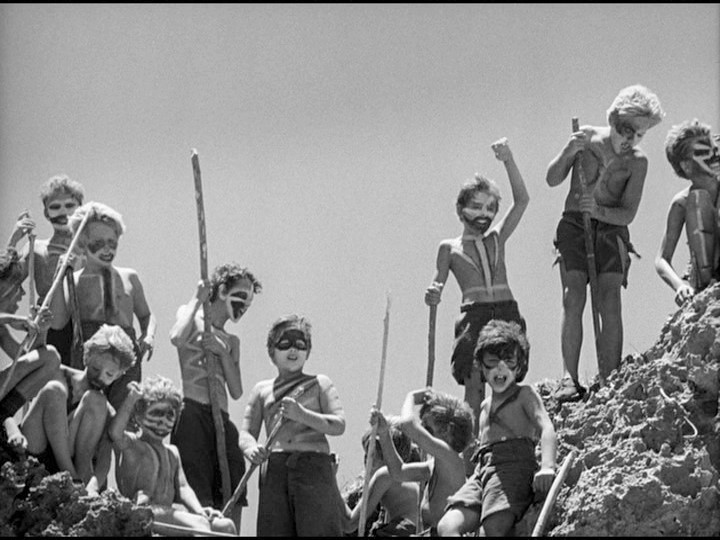
The 1963 film adaptation of William Golding’s 1954 novel of Lord of the Flies has become a classic of US Independent Cinema. By comparing the situation of the film shoot on the Caribbean island of Vieques (part of Puerto Rico) with Golding’s parable about human violence, this article explores the ironic failure of the filmmakers to recognise the historical violence that continued to plague this particular island as a contested site. Peter Brook’s approach to the novel demanded an attitude of innocence on the part of his novice actors and crew members to capture the authenticity that he sought. His so-called documentary approach to an island narrative was only achieved through the fiction of obfuscating the real violence taking place on and around Vieques.

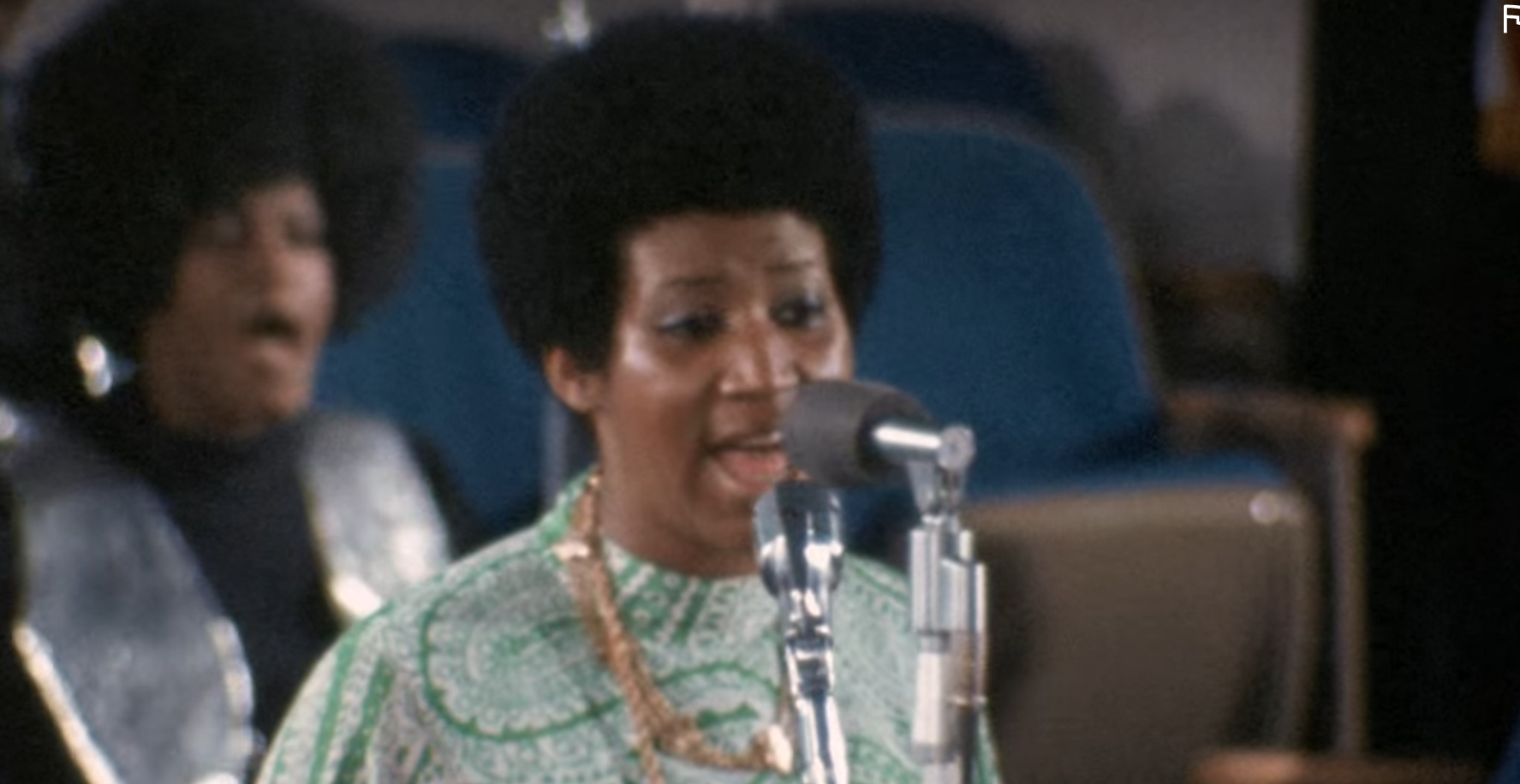
Summer of Soul: The Angel of History Comes to Harlem

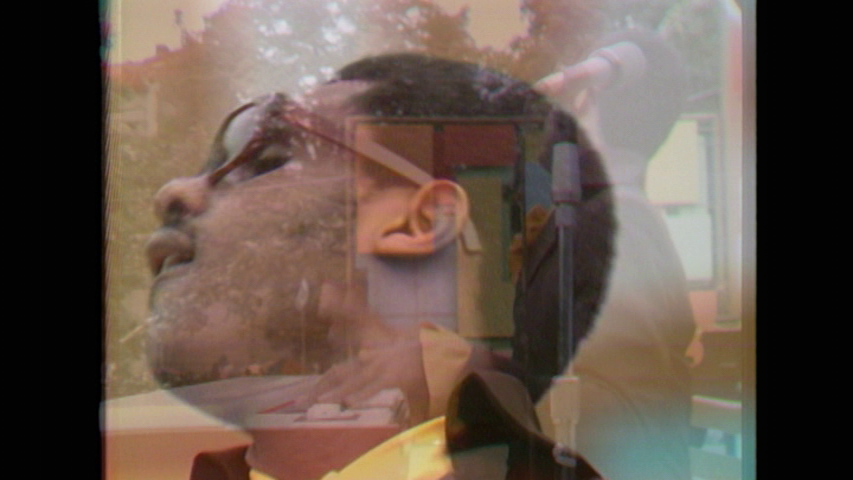
As an archive-based film, Summer of Soul is in many ways a perfect illustration of the significance of Walter Benjamin’s claim that “In order for a part of the past to be touched by the present instant [Aktualität] there must be no continuity between them.” Summer of Soul is subtitled “When the revolution could not be televised,” a line borrowed from Gil Scott-Heron, for whom it was a critique of the banality of white TV. The irony is, of course, that the Harlem Cultural Festival was televised in 1969, although its broadcast was limited to two one-hour segments at reputedly obscure hours with little to no publicity.

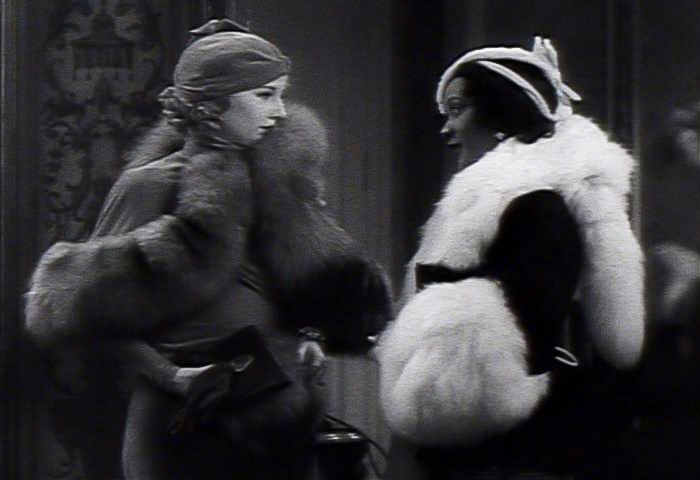
The File on Theresa Harris, Black Star of the Archive

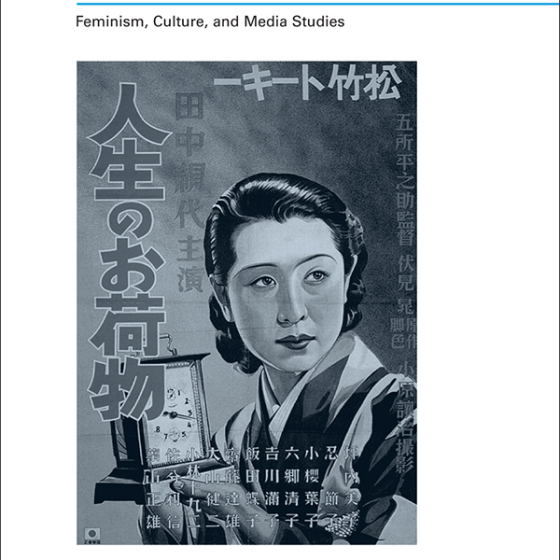
The file on Black actor Theresa Harris includes 103 Hollywood films and TV shows for which she has screen credit, along with many that she does not, from 1929 to 1958. She was cast as an extra, a bit player, or a character actor with lines, most of the time as a maid. In this speculative history of her career, I examine a selection of her roles in films such as Baby Face (1933), Jezebel (1938), I Married a Zombie (1943), Out of the Past (1947), and Lady from Shanghai (1947) as if they were racial events. The act of critical viewing, of actually noticing Harris’s contribution to these and other films, can arguably alter the reading of the films in important ways. My reparative readings are inspired by the theoretical work of Eve Sedgwick and Christine Goding-Doty, and the historiographical work of Saidiya Hartman and Daphne Brooks.
Sensing the Archive: Exploring The Digital (Im)materiality of the Moving Image Archive

The articles, video essays, and short pieces collected in this issue of Frames Cinema Journal are not only about archival materials, but offer valuable insight into the media archive itself. I am pleased to see that my open-ended neologism of archiveology has been adapted and bent into so many creative and critical shapes. Media archives emerge from this dossier as fluid and shape-shifting media in themselves that not only collect store, catalogue and save, but have the capacity for time-travel, regeneration, and renewal–sometimes within the very context of ruin, degeneration, and loss.The various essays, artists’ statements and discussions, along with video essays and discussions of single films in this dossier, tease out the complex historiographies embedded in archiveological media.