Non-Professional Film Acting
This anthology examines non‑professional performance in cinema, exploring
how “ordinary people” challenge dominant theories of film acting across fiction,
documentary, and realist media aesthetics.

This anthology examines non‑professional performance in cinema, exploring
how “ordinary people” challenge dominant theories of film acting across fiction,
documentary, and realist media aesthetics.
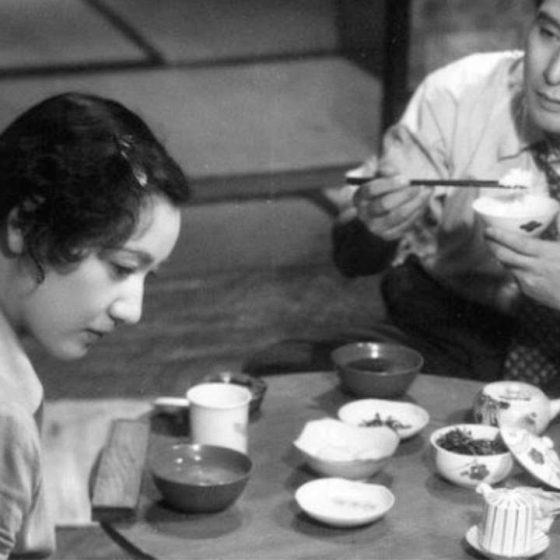
Given the complex historical and critical issues surrounding Naruse’s cinema, a comprehensive study of the director demands an innovative and interdisciplinary approach. Russell draws on the critical reception of Naruse in Japan in addition to the cultural theories of Harry Harootunian, Miriam Hansen, and Walter Benjamin. She shows that Naruse’s movies were key texts of Japanese modernity, both in the ways that they portrayed the changing roles of Japanese women in the public sphere and in their depiction of an urban, industrialized, mass-media-saturated society.

Experimental film and ethnographic film have long been considered separate, autonomous practices on the margins of mainstream cinema. By exploring the interplay between the two forms, Catherine Russell throws new light on both the avant-garde and visual anthropology.

In these analyses, Russell reveals an uneasy relationship between death and closure, which she traces to anxieties about identity, gender, and national-cultural myths, as well as to the persistence of desire. Drawing on the work of Walter Benjamin, she shows us death as a fundamentally allegorical structure in cinema–and as a potential sign of historical difference, with crucial implications for theories of film narrative and spectatorship.
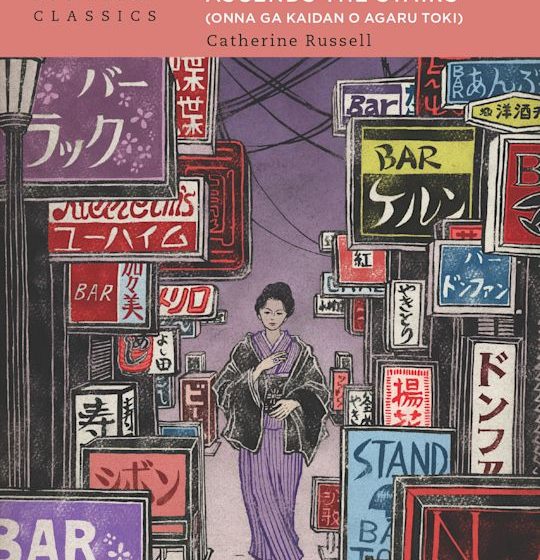
Russell situates the film within the trajectory of Naruse’s career and analyses how his social critique is balanced with an aestheticization of a harsh and brutally gendered world, creating an affective tension that is symptomatic of Naruse’s own position as an industrial worker.
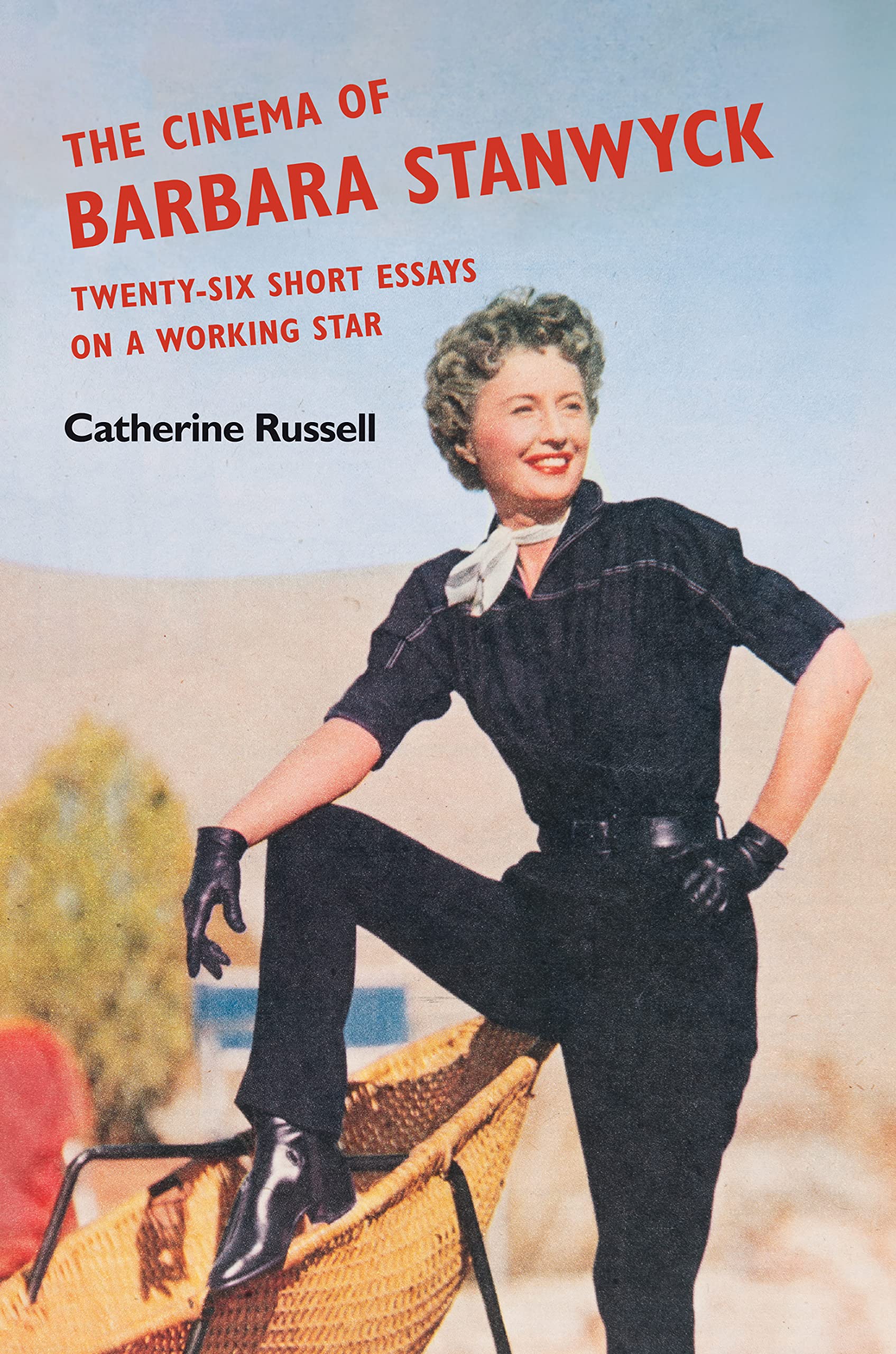
From The Lady Eve, to The Big Valley, Barbara Stanwyck played parts that showcased her multidimensional talents but also illustrated the limits imposed on women in film and television. Catherine Russell’s A to Z consideration of the iconic actress analyzes twenty-six facets of Stanwyck and the America of her times. Russell examines Stanwyck’s work onscreen against the backdrop of costuming and other aspects of filmmaking. But she also views the actress’s off-screen performance within the Hollywood networks that made her an industry favorite and longtime cornerstone of the entertainment community. Russell’s montage approach coalesces into an engrossing portrait of a singular artist whose intelligence and savvy placed her center-stage in the production of her films and in the debates around women, femininity, and motherhood that roiled mid-century America.
In Archiveology Catherine Russell uses the work of Walter Benjamin to explore how the practice of archiveology—the reuse, recycling, appropriation, and borrowing of archival sounds and images by filmmakers—provides ways to imagine the past and the future.
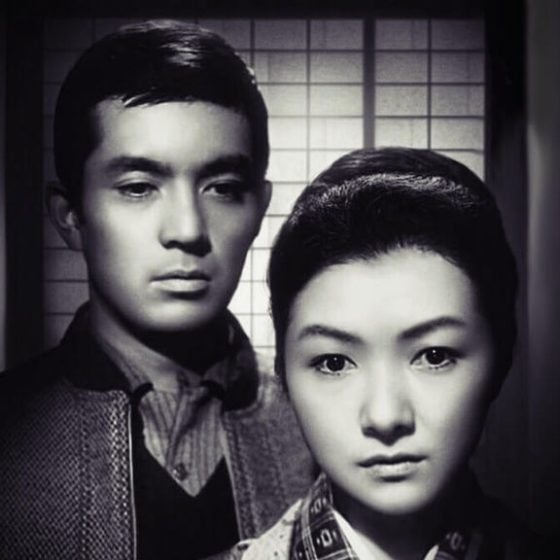
Respectful and thoroughly informed about the aesthetics and critical values of the Japanese canon, Russell is also critical of some of its ideological tendencies, and her analyses provide new insights on class and gender dynamics. Russell locates Japanese cinema within a global system of reception, and she highlights the importance of the industrial production context of these films.