




Non-Professional Film Acting
This anthology examines non‑professional performance in cinema, exploring
how “ordinary people” challenge dominant theories of film acting across fiction,
documentary, and realist media aesthetics.

This anthology examines non‑professional performance in cinema, exploring
how “ordinary people” challenge dominant theories of film acting across fiction,
documentary, and realist media aesthetics.

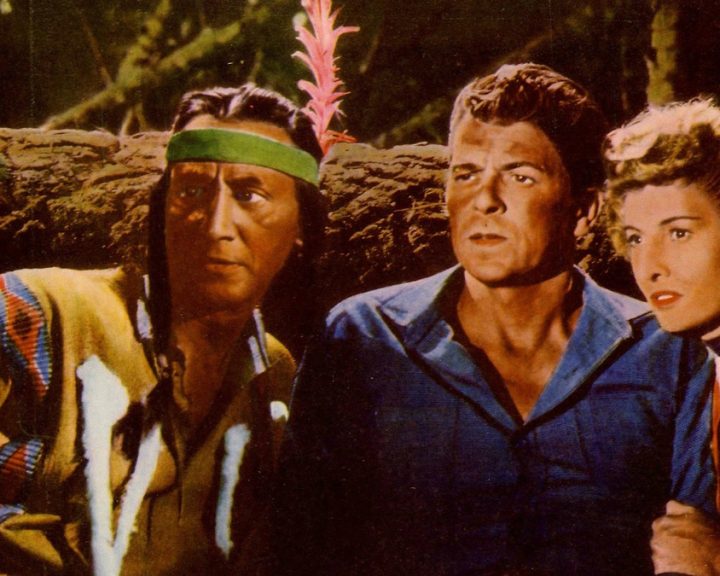
After the war, as the civil rights movement gained ground, a renewed relationship with Indigenous peoples and an ever-so-slight retraction of the myth of Manifest Destiny enabled the Western genre to entertain more complex narratives in which psychology, moral ambiguity, and social justice were increasingly prevalent.
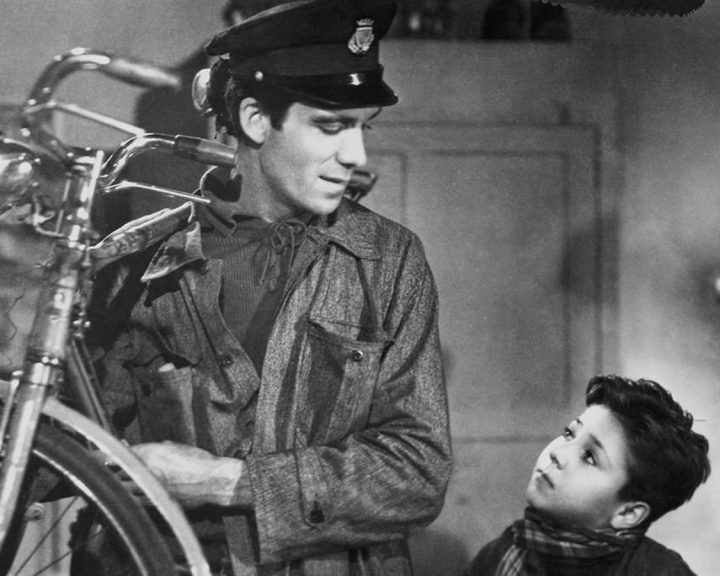
The labor of nonprofessionals includes the act of showing up and assuming the identity of “actor,” especially since this new identity made it difficult for them to return to being nonactors.
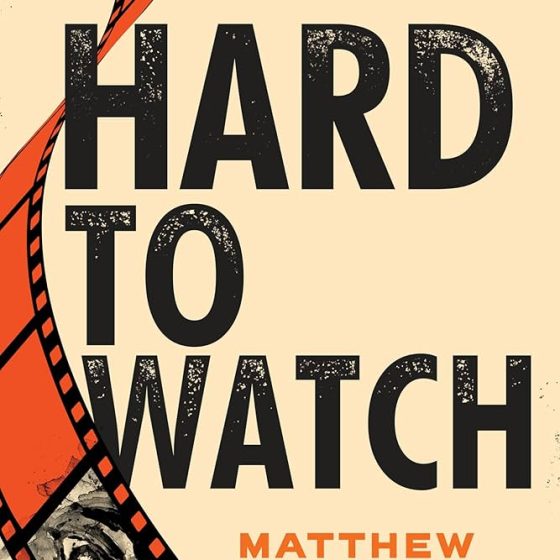
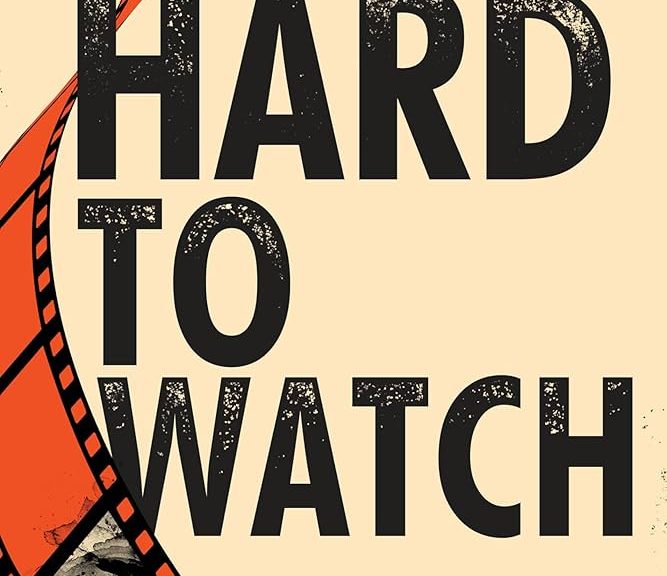
Films can be hard to watch because they are long and slow, challenging viewers to spend time with their distended temporalities and ponderous narratives.
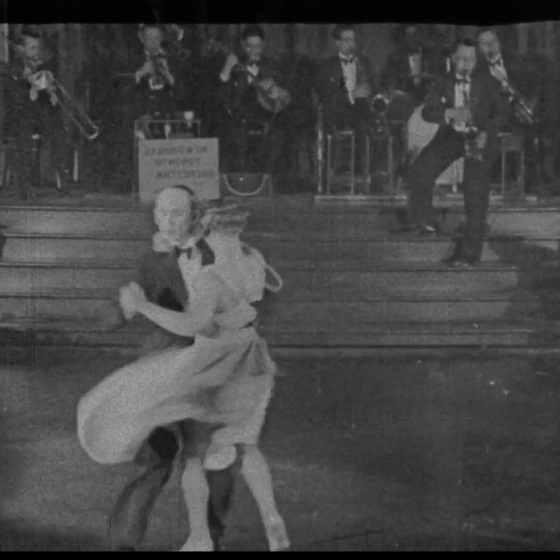
Archiveology as a remaking of history depends on an understanding of the commons as the place where media history resides.
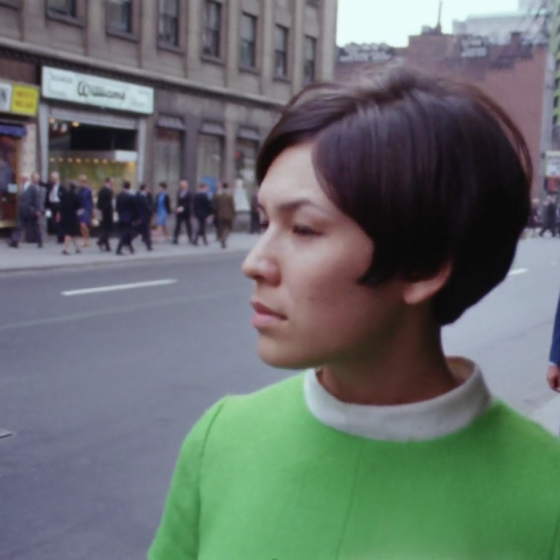
This is a catalogue that was produced by the Art Gallery of Ontario in 1993 to accompany an exhibition of David Rimmer’s work in the same year. My essay was commisioned as a critical overview of Rimmer’s career up until 1993.
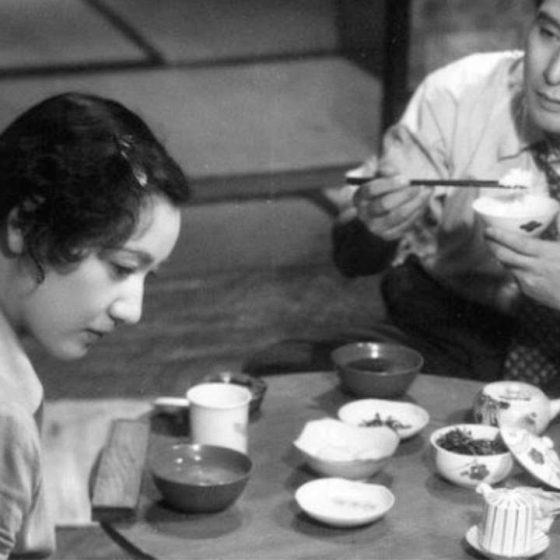
Given the complex historical and critical issues surrounding Naruse’s cinema, a comprehensive study of the director demands an innovative and interdisciplinary approach. Russell draws on the critical reception of Naruse in Japan in addition to the cultural theories of Harry Harootunian, Miriam Hansen, and Walter Benjamin. She shows that Naruse’s movies were key texts of Japanese modernity, both in the ways that they portrayed the changing roles of Japanese women in the public sphere and in their depiction of an urban, industrialized, mass-media-saturated society.
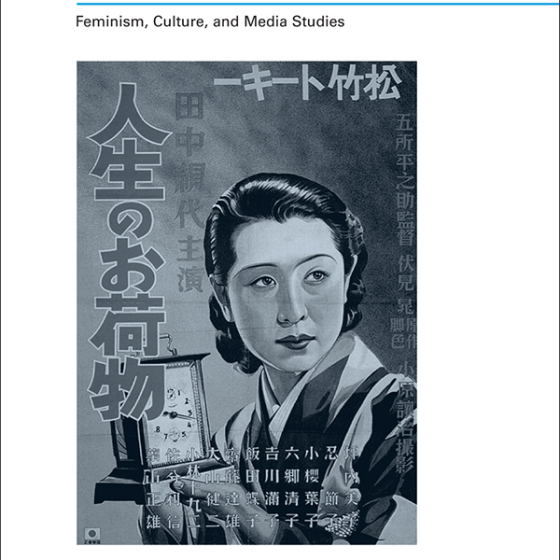
Examining constructions of gender, nationalism, and modernity in films produced in China and Japan in the 1920s and early 1930s, this special issue of Camera Obscura is the first collection of feminist research on Asian cinema of the silent period.

Experimental film and ethnographic film have long been considered separate, autonomous practices on the margins of mainstream cinema. By exploring the interplay between the two forms, Catherine Russell throws new light on both the avant-garde and visual anthropology.

In these analyses, Russell reveals an uneasy relationship between death and closure, which she traces to anxieties about identity, gender, and national-cultural myths, as well as to the persistence of desire. Drawing on the work of Walter Benjamin, she shows us death as a fundamentally allegorical structure in cinema–and as a potential sign of historical difference, with crucial implications for theories of film narrative and spectatorship.