Non-Professional Film Acting
This anthology examines non‑professional performance in cinema, exploring
how “ordinary people” challenge dominant theories of film acting across fiction,
documentary, and realist media aesthetics.
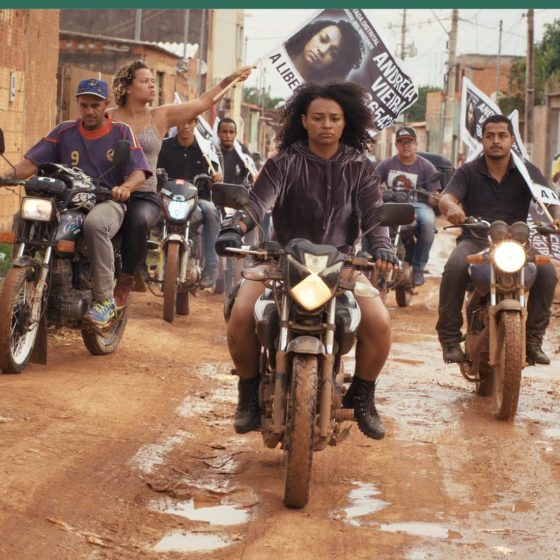
This anthology examines non‑professional performance in cinema, exploring
how “ordinary people” challenge dominant theories of film acting across fiction,
documentary, and realist media aesthetics.
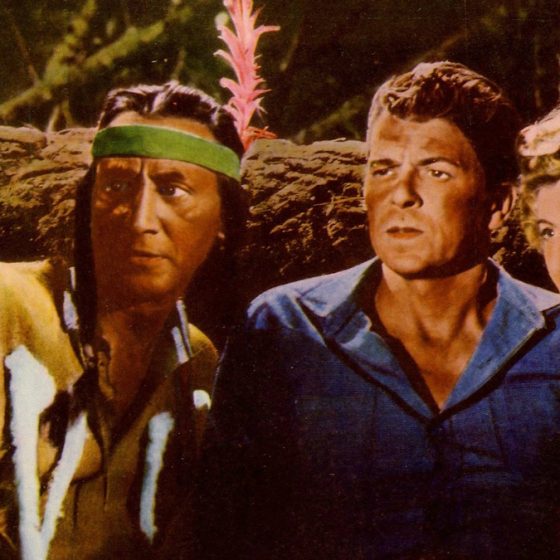
After the war, as the civil rights movement gained ground, a renewed relationship with Indigenous peoples and an ever-so-slight retraction of the myth of Manifest Destiny enabled the Western genre to entertain more complex narratives in which psychology, moral ambiguity, and social justice were increasingly prevalent.
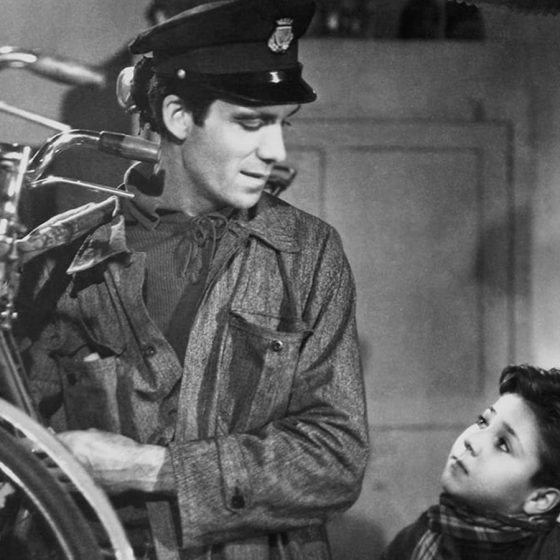
The labor of nonprofessionals includes the act of showing up and assuming the identity of “actor,” especially since this new identity made it difficult for them to return to being nonactors.
Films can be hard to watch because they are long and slow, challenging viewers to spend time with their distended temporalities and ponderous narratives.
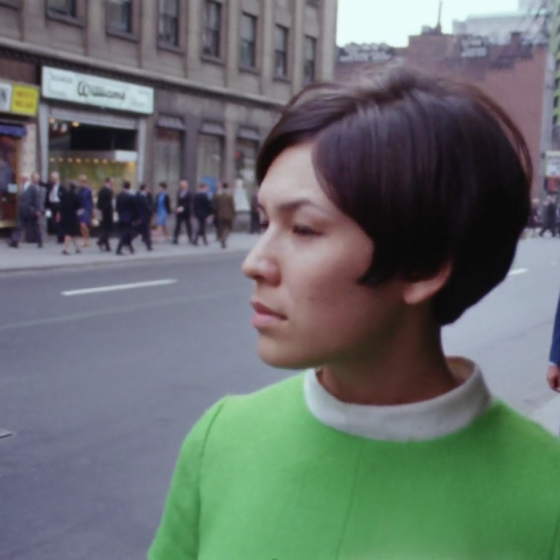
Archiveology as a remaking of history depends on an understanding of the commons as the place where media history resides.
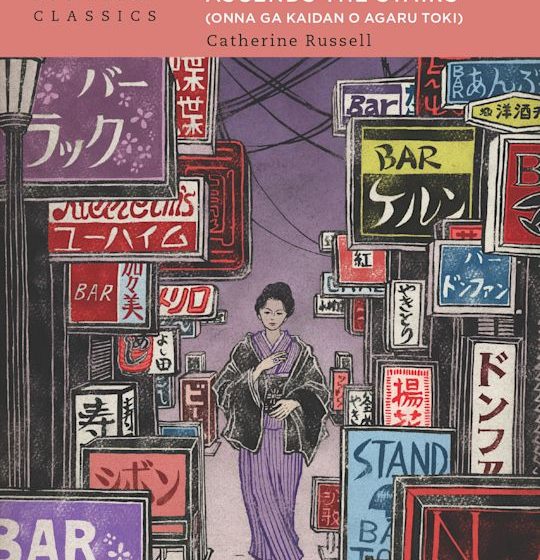
Russell situates the film within the trajectory of Naruse’s career and analyses how his social critique is balanced with an aestheticization of a harsh and brutally gendered world, creating an affective tension that is symptomatic of Naruse’s own position as an industrial worker.
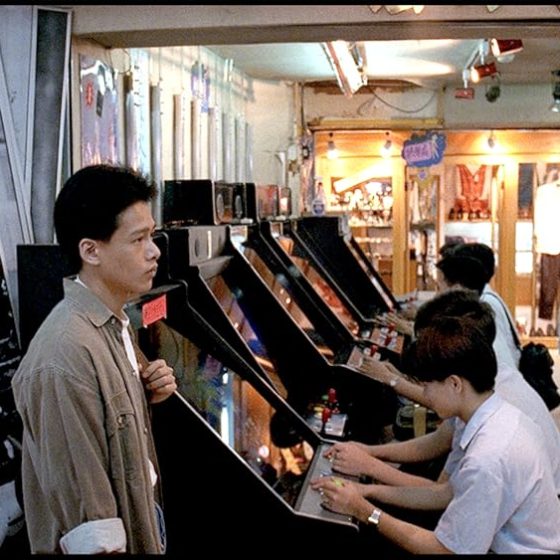
I have a contract with Routledge for a new book on Non Professional Acting that will include essays by 13 contributors on the topic.
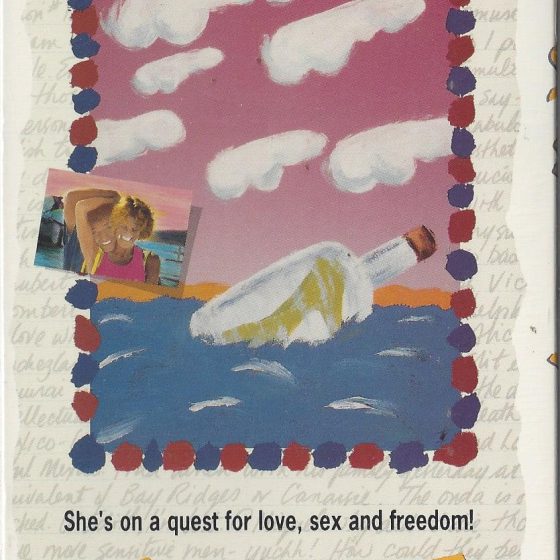
I have a contract for a book on the 1987 Canadian film with McGill Queen’s University Press. I am currently conducting research on A Winter Tan made by a directorial collective of Jackie Burroughs, Louise Clark, John Frizzell, Aerlyn Weisman, and John Walker.